Introduction:
It was in the midst of Tanzanian celebration of Zimbabwe’s independence in April 1980 that I was first attracted by the possibility of living in a free yet economically developed African country. The prospect came sooner than expected. In January 1982, I landed in (then) Salisbury, the capital city of Zimbabwe, with a 3-year teaching contract.
While I had been apprehensive about racial tensions lingering from the bloody liberation war, those worries were quickly eased. Within days, the clear impression was that most black Zimbabweans were delighted to discover ‘Varungu’ [whites] who seemed markedly friendlier than their native Rhodesians. Along with the warm reception was the delight in the orderliness and prosperity–– certainly a welcome contrast with Tanzania.
Yet within a year the gloss was gone. Politics were souring with the split between Mugabe and his rival, Nkomo, reigniting old ethnic rivalries between the Shona and Ndebele. Then in 1983, Mugabe’s North Korean-trained 5th Brigade began wreaking atrocity upon rural Matebeleland.
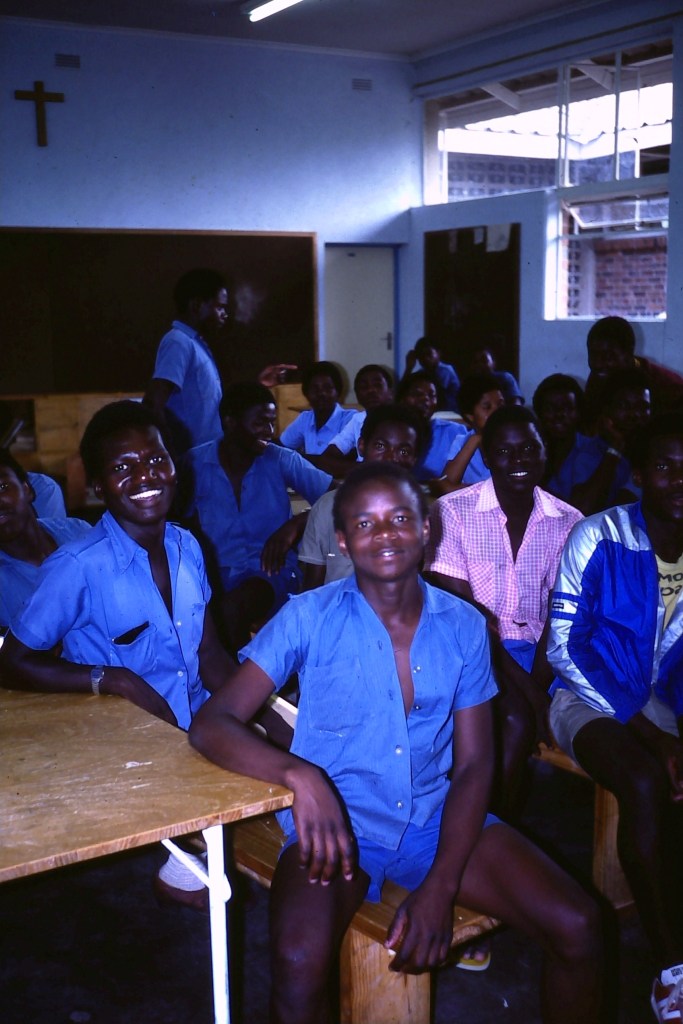
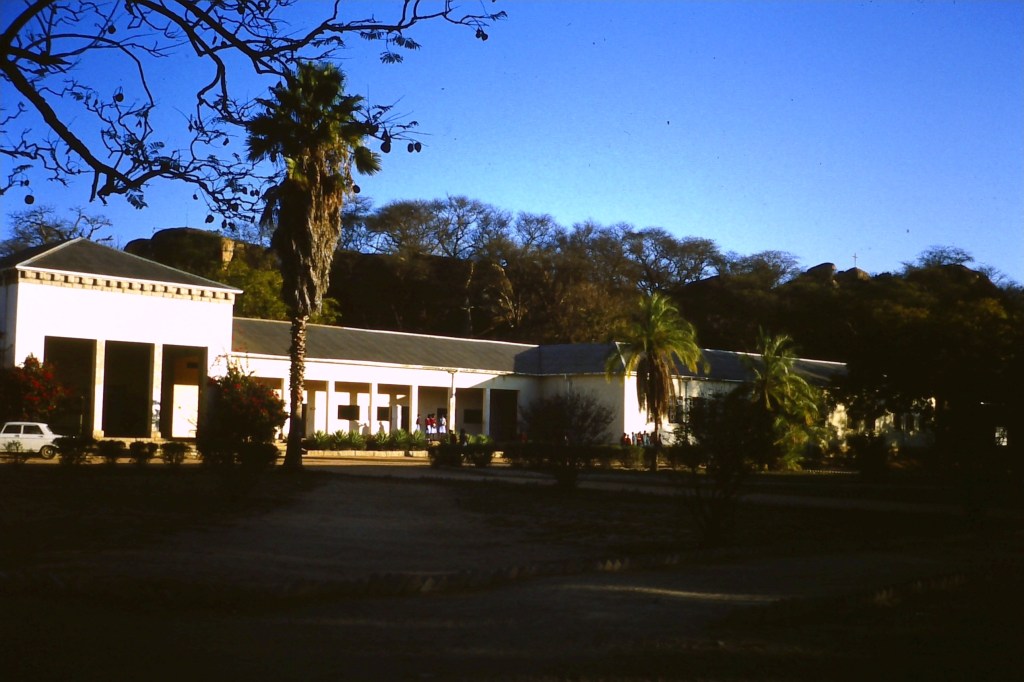
Those horrors occurred only a 3-hour drive from the mission school in Masvingo where I lived in comfort. Thus, the dire reports heard on the BBC World Service (censored in the local media) provoked a wrestling of conscience. Still, like most other expat teachers at the time, I rationalized that my commitment was to my students––not to the Zimbabwe Government… Undeniably, the justification for remaining was not quite so high-minded: where else could I live so well with a relatively interesting job and in a near perfect climate?
So it was that I not only stayed on, but soon afterwards married a Zimbabwean student teacher.
Through the period of my second contract (1985-1988) there emerged further signs of the transformation of an erstwhile ‘jewel of Africa’ into the nearly failed state into which it degenerated in the early 2000s.
Even by the mid-1980s, Mugabe’s hunger for unchecked power was nakedly manifest. Speeches lauding ‘reconciliation’ by which he had cynically soothed business anxieties immediately after independence had given way to bitter harangues against ‘enemies’, internal and external. Meanwhile his party’s bad governance intensified. Standards began sinking and corruption grew rampant. Ironically, the Rhodesians’ doomsday predictions of majority rule seemed to be bearing out. Not to excuse the bad governance–– but even the cynical predictions of inevitable failure could not have accounted for drought and AIDS–– calamities of eerily biblical magnitude…
I often reflect that in August 1988, my wife and got out just in time. Despite painful beginnings, we were able to resettle along with our babies in Canada. It is painful to even imagine what our children would have had to endure had they grown up as unprivileged Zimbabweans. Fortunately, reports from extended family indicate an upturn of hope in the post-Mugabe era…
Still, my respect for the majority of Zimbabwean people remains depthless. With their resiliency and warmth–– no matter how great the hardship–– they will certainly endure. Even a parasitic political class can not destroy a people of such uncommon strength…
Looking back on 1982-1988, I cannot have wished for a better place to have spent my early manhood. Had a semblance of the early post-independence years continued–– I would very likely have stayed on…
The following notebook fragments offer a few glimpses from those better years. The rough texts were usually written within hours of events recorded–– often with particular attention to capturing dialogue. As in all these postings, identifiable names have been fictionalized. All other details, as memory serves, are accurate.
–FWT (lefthook51)
January 2020

 Coprolites in Amber (etc.)
Leave a comment