

Introduction:
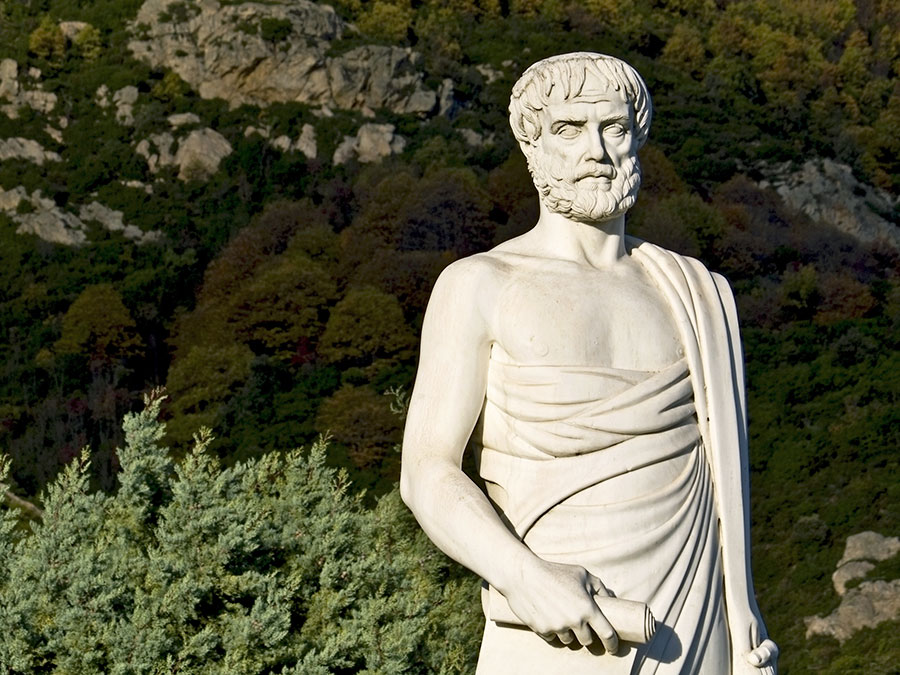
With apologies to real scholars–– the title of this set of thematic pieces was derived from a rudimentary reading of Aristotle’s ‘Metaphysics’:
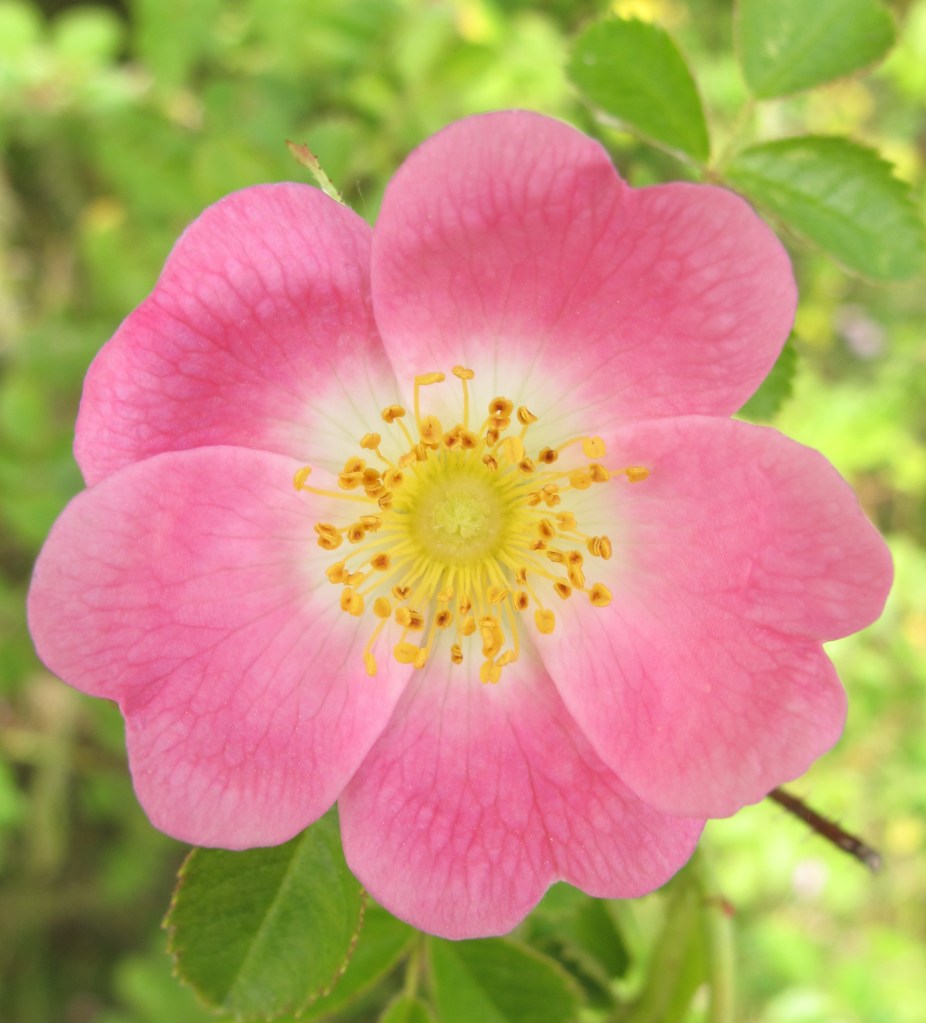
In it, he referenced ‘kalon’ [beauty] as that which reflects harmony and symmetry. Such harmony and symmetry are most readily manifested in the natural world. For example, in beholding a beautiful landscape one can experience awe. By the same understanding, apprehension of symmetry can evoke a sense of beauty in the human form…
In his ‘Ethics’, Aristotle extended the concept of beauty in ‘nature’ to harmony in human conduct e.g., ‘virtue’ can be understood to reveal harmony in conduct.
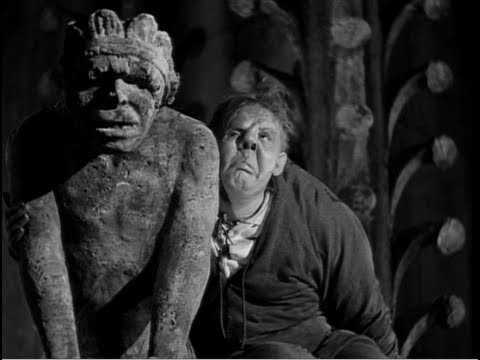
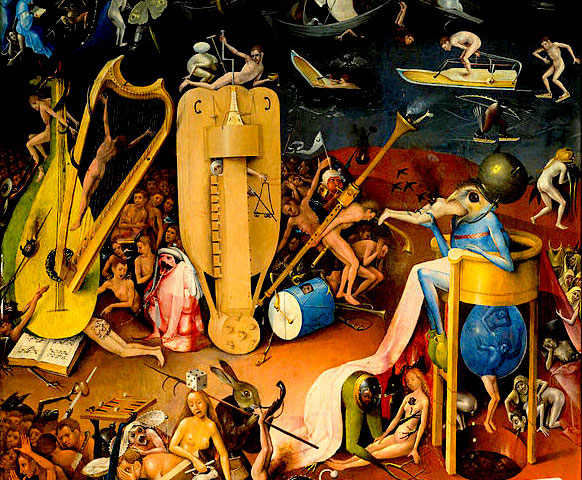
Pari-passu, it is only through the conception of ‘the beautiful.’ that we can apprehend its binary opposite–– ugliness. ‘‘Aishron’ [ugliness] refers to disharmony and asymmetry.. What is ‘monstrous repels by its deviation from––or perversion of––symmetrical form.
The counterpart of debased physical form in the realm of conduct is corrupted. virtue––i.e., vice. Works of art can evoke both the ‘ugly’ and the ‘beautiful’ by evocation of the sense of awe…
So how does all that relate to these short pieces?
In my general introduction to this blog. I described how I came up with the material posted herein. In the process of ‘basement cleaning’, I saved promising excerpts of old journals in new files under thematic headings. Among the more striking pieces were bits which seemed to fit in binary opposition under headings of ‘aishron’ and ‘kalon’.
These worked-over snippets of ‘Beauty and the Bestial’ are drawn from experiences at home, at work, on the street and in the woods… Perhaps in keeping with the sardonic cast of mind–– there is rather more here of ‘aishron’ than of ‘kalon.’
In any case, names of identifiable people–– as always–– are fictionalized or abbreviated.
–FWT (lefthook51)
–June 2020


 Coprolites in Amber (etc.)
Leave a comment